Report: Build your own air quality sensor – in Brussels

In June, the hackAIR team moderated 7 sensor-building workshops across Europe. More than 200 interested participants learned more about air quality and built their own sensor. Here is the first report from this amazing month, featuring the workshop in Brussels on June 13.

Air quality is a “hot” topic in Brussels and all across Belgium: in citizen activist groups, in stakeholder consultations, in policy making and in the media. There is a huge demand for more low-cost air quality sensors to be set up in Brussels. This event was co-organised by a broad range of partners: Influencair, Open Knowledge Belgium, Sandbox VRT, BRAL, Civic Lab Leuven, Luchtpijp, BeCentral, hackAIR. hackAIR was represented by VUB, Crevis and ON:SUBJECT.

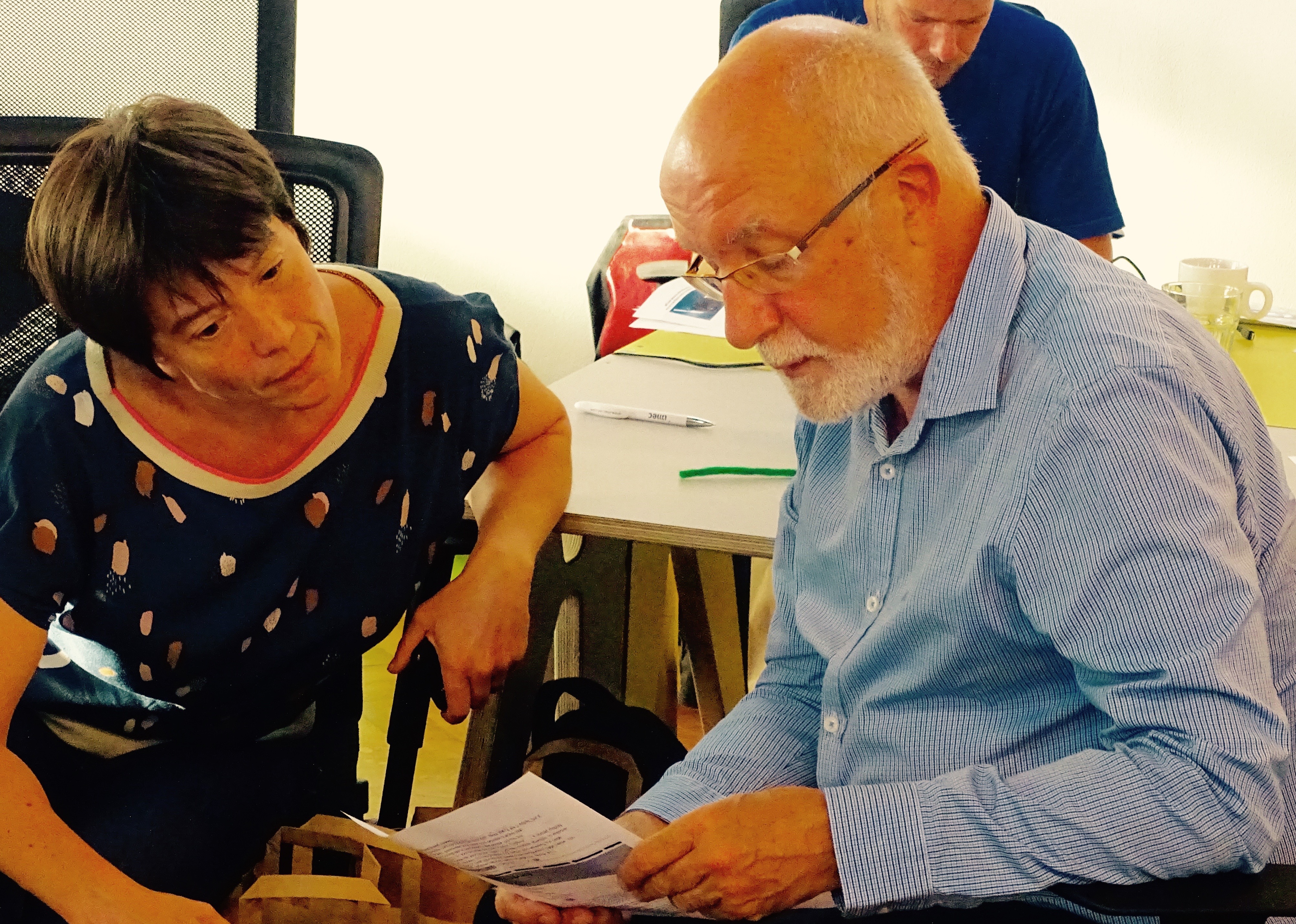
It was the largest workshop so far for hackAIR: 100 citizens came – and many more had wanted to participate (no worries: there will be more workshops in Brussels in the next months!)

One of the participants shared about her motivation to build her own air quality sensor:

“I live in an apartment on a busy road in the middle of Brussels. I am very concerned about the impact of air pollution on my health. I want to measure the air quality where I live, with my own sensor. I want to make sense of the data that I will collect. Knowing more about the levels of pollution over time, will make it easier for me to decide whether I can stay in my current appartement. If the air is too bad here, I will move to a neighbourhood with healthier air.

It was amazing to learn more about the diversity of the participants in conversations around the assembling tables. The age range was from 11 to 65+. There were concerned citizens, scientists in the field of air quality, medical doctors, policy makers, journalists, social entrepreneurs, innovators, open data experts, members of grassroots air quality initiatives (such as Filter Cafe). People came from Brussels and neighbouring municipalities, and also from across Belgium. A mix of French, Dutch and English could be heard in the lively conversations.
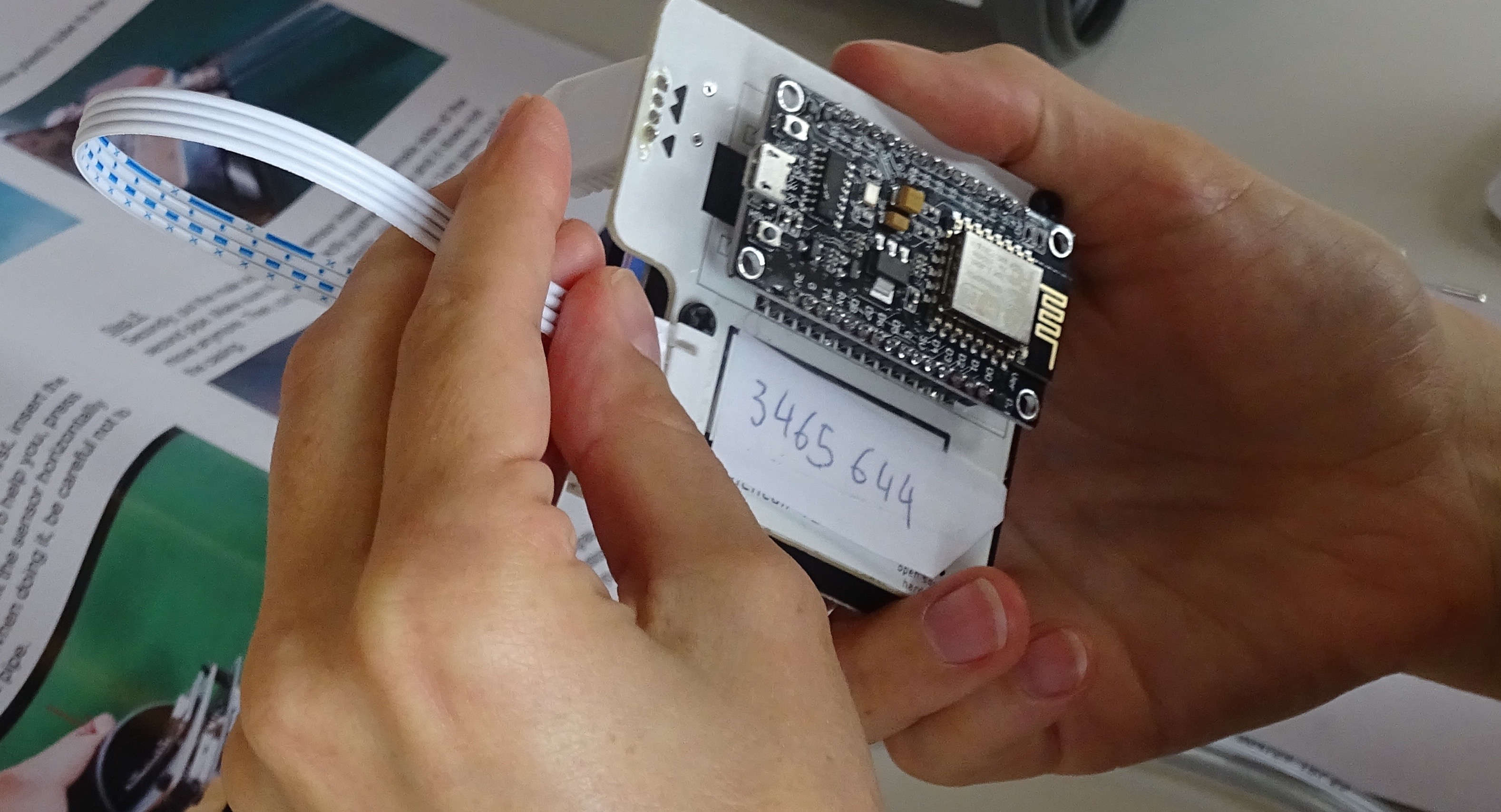
The sensors had been prepared by the Open Knowledge Belgium tech team. They did a great job in providing a “plug-and-play-sensor”: everything was already soldered. The participants just had to add four screws and connect a few wires. An easy and very fast experience of building an air quality sensor! Following the assembling phase, each participant was supported by a member of the tech team to connect his / her sensor to the luftdaten platform. There was only one last step to take at home: configuring the sensor with the home WiFi. With the step-by-step manual that was handed out, this was surely easy. Two weeks after the event, the vast majority of the sensors are up and running! 


During the workshop, participants were invited to take part in a survey conducted by the hackAIR partner VUB. This survey is part of the hackAIR overall project and explores the connections between engagement in activities about air quality and potential change of behaviour.


Our thanks go to all our partners who helped to make this workshop happen, to all who volunteered their time to support participants during the assembling – and of course to all who came and built their own sensor!

Stay tuned! We’ll spread the invitations for upcoming workshops on our events page and through social media. Also keep in mind: you can invite the hackAIR team to offer a sensor-building workshop in your neighbourhood or for your organisation. Or: you can organise your own workshop with our workshop toolkit

Towards clean air for green cities: A Green Week Report

Green cities do better. They are healthy, with clean air, green spaces, safe drinking water, and offer a great quality of life to the people that live there. EU Green Week 2018 explored ways in which the EU is helping cities to become better places to live and work. Local authorities and citizens were invited to share their vision of a sustainable future.

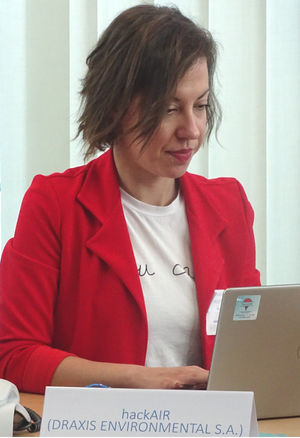
Panagiota Syropoulou (DRAXIS) presents hackAIR at the EU Green Week 2018

We presented hackAIR at a full-day networking event during the EU Green Cities Summit in Brussels: Involving citizens in air quality monitoring through Citizen Science initiatives. Together with other initiatives such as iSCAPE and Ground Truth 2.0 we discussed how low-cost air quality monitoring can help provide real-time data and engage citizens in environmental monitoring.

The role of citizen engagement was highlighted throughout as central to delivering the promise of green cities. We heard stories of sustainable urban development, health and waste management in the panel session Towards greener cities: citizens as drivers for change  (link to video recording). Citizen science in particular is achieving environmental policy impact on diverse topics such as air quality and flooding (see the video recording of Making our cities green with Citizen Science for the full discussion).

One of the inspiring examples of the power of large-scale citizen science presented during Green Week is Curieuze Neuzen (Dutch for: Curious Noses). 20.000 citizens measured air quality in Flanders (Belgium) in May 2018. The project team found that citizen science is a powerful tool to raise awareness and get information across about environmental problems. In order to reach those who are not the “usual subjects”, simple and robust methods of data collection are needed. The Curieuze Neuzen campaign collaborated with print media, TV, radio and ads in public transport.

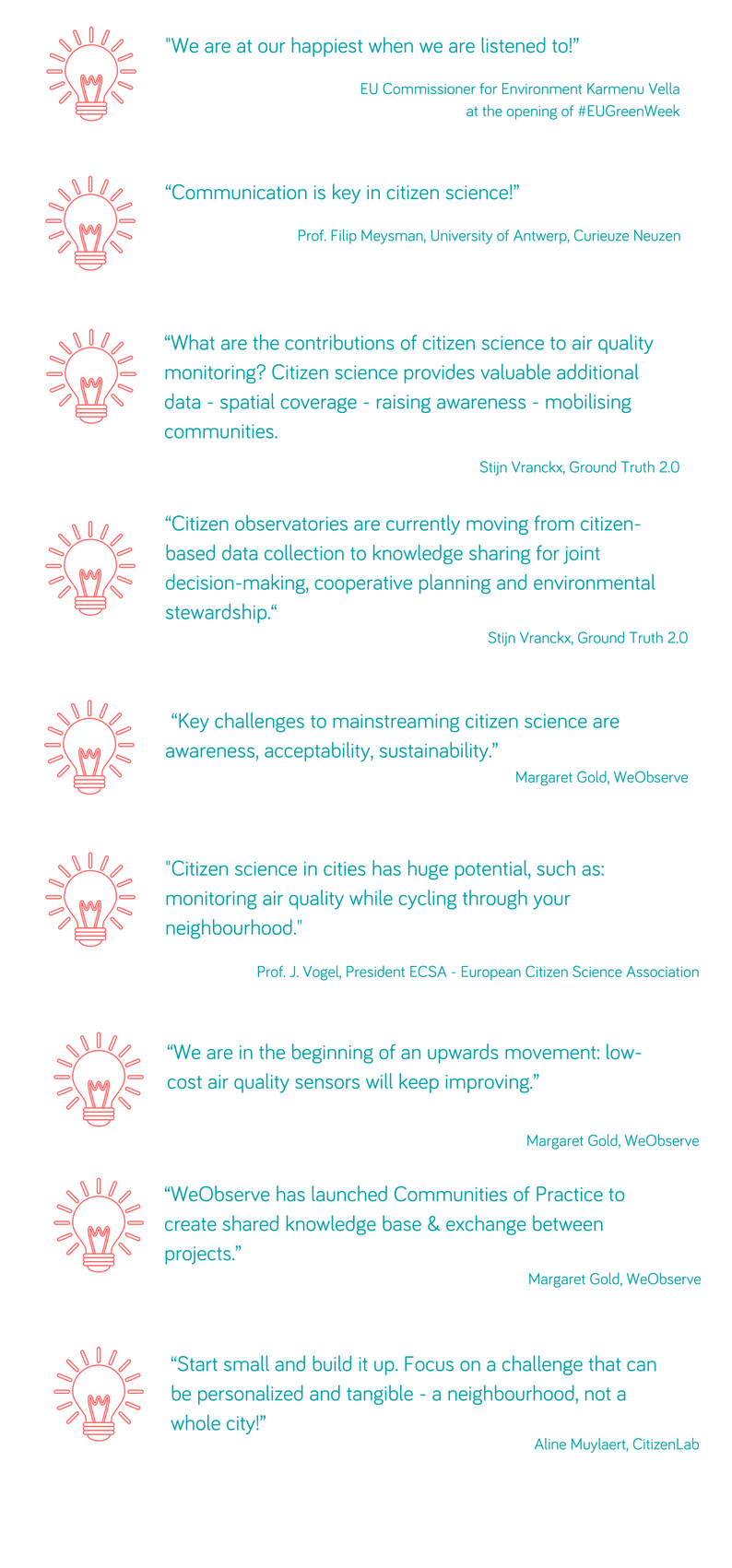
Some highlights of the EU Green Week about air quality and citizen science in quotes:

hackAIR’s hidden features

Did you know…

  • that hackAIR calculates air pollution estimates for locations without measurements to create a continuous map in Germany and Norway?
  • that it’s possible to estimate air quality using just a picture of the blue sky?
  • that hackAIR uses machine learning algorithms to collect suitable images and can estimate the location where a sky photo was taken?

You can find more information about air quality estimation from sky images in an earlier blog post. Today, we want to introduce you to the following features:

  1. Data fusion mapping
  2.  Image collection and analysis

hackAIR contributes to the growing field of participatory air quality sensing, with the aim to improve air quality data in Europe. hackAIR is accessible – citizens can choose their own level of contribution, reaching from a one-off, simple engagement to high involvement and long-term measurement and data analysis. Users who register on the hackAIR platform can see more features and have a more personalized experience: they receive personal recommendations depending on preferences chosen in their user profile.

Data fusion mapping

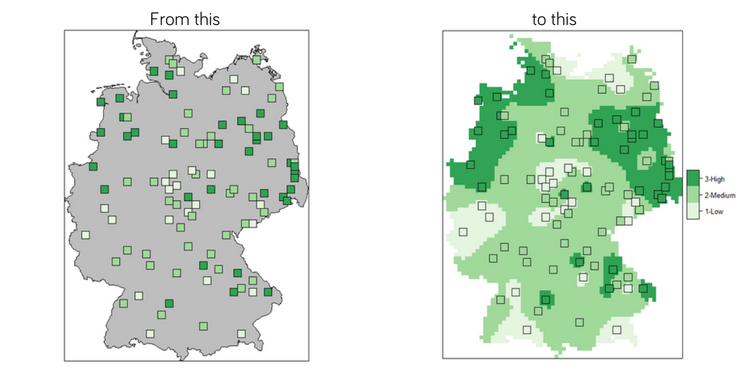
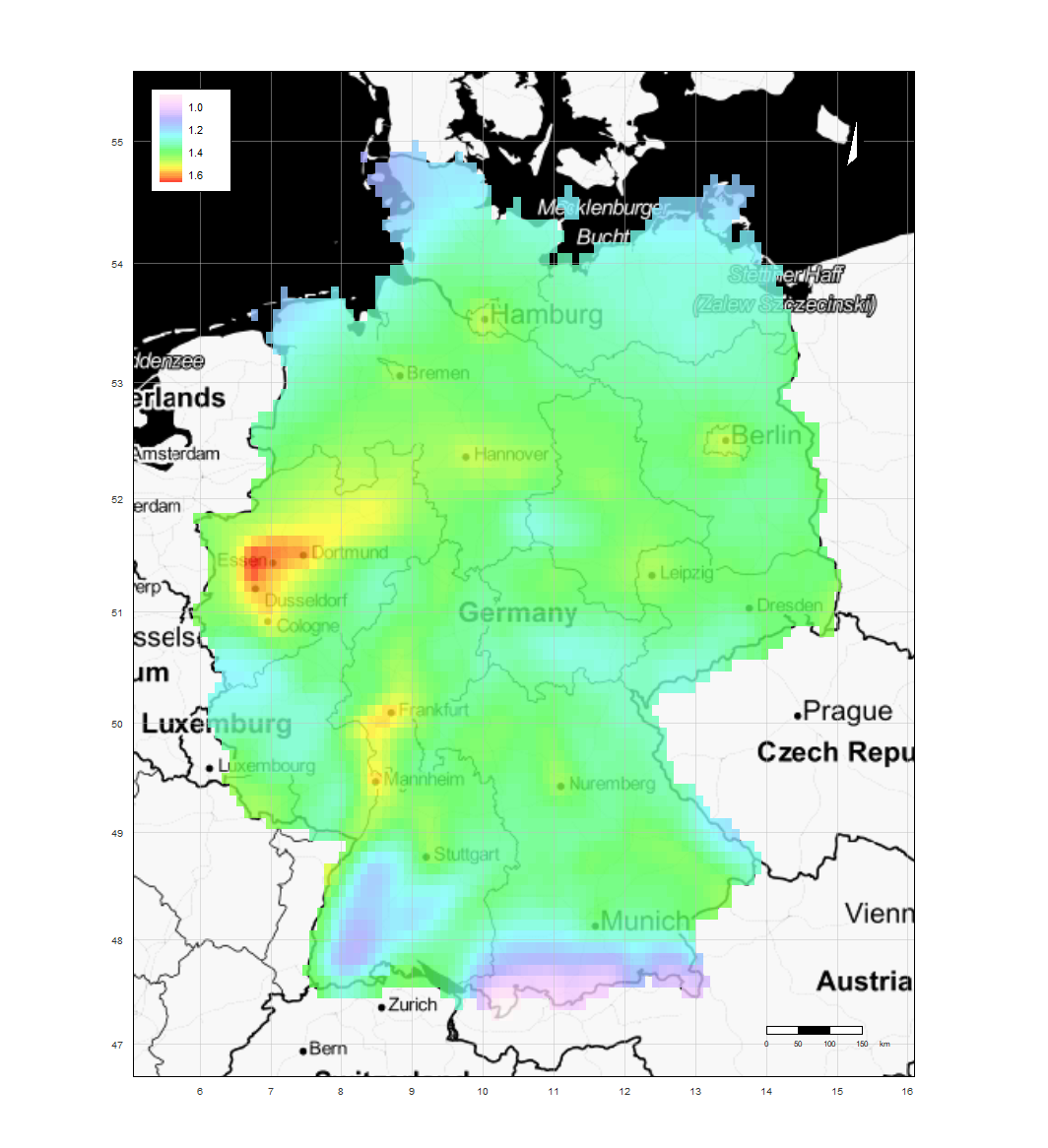
In hackAIR we collect mostly point-based observations, through air quality sensors and sky photos sky. For hackAIR users, we want to offer personalized  information about air quality at every location and visualize these observations as a spatially continuous map.

The data fusion module has been running since August 2017. It currently provides hourly updates of the average air quality for the last 24 hours. When we compared the module index with data of official measuring stations, we found a good correlation (R = 0.72, 74% correctly classified). We provide estimates for each 5x5km square in the target countries.

The image to the right shows the average air quality in Germany between September 2017 and February 2018 – overall a very realistic pattern. Pollution hotspots in the Ruhr area and other metropolitan areas are visible, and larger forests and nature reserves can clearly be identified.

On the hackAIR platform, the fusion map is currently hidden. Switch it on by clicking on the little balloon icon and zoom out enough to see the spatial patterns in Norway and Germany.

As mapping air quality at urban scale requires a dense network of sensors with high-quality data, NILU is planning experiments for Oslo later in 2018. The hackAIR pilot partner NILU has been offering workshops to citizens in Oslo to build their own sensor. This will allow to create a network of hackAIR sensors in Oslo in order to map the air quality on street-level.

In the video below, NILU’s Philipp Schneider explains the science behind hackAIR’s continuous air quality map.

Image data collection and analysis

hackAIR integrates several sources of air quality monitoring: official data, open data and APIs. Thanks to a good collaboration, hackAIR also shows the measurement of Luftdaten-sensors across Europe.

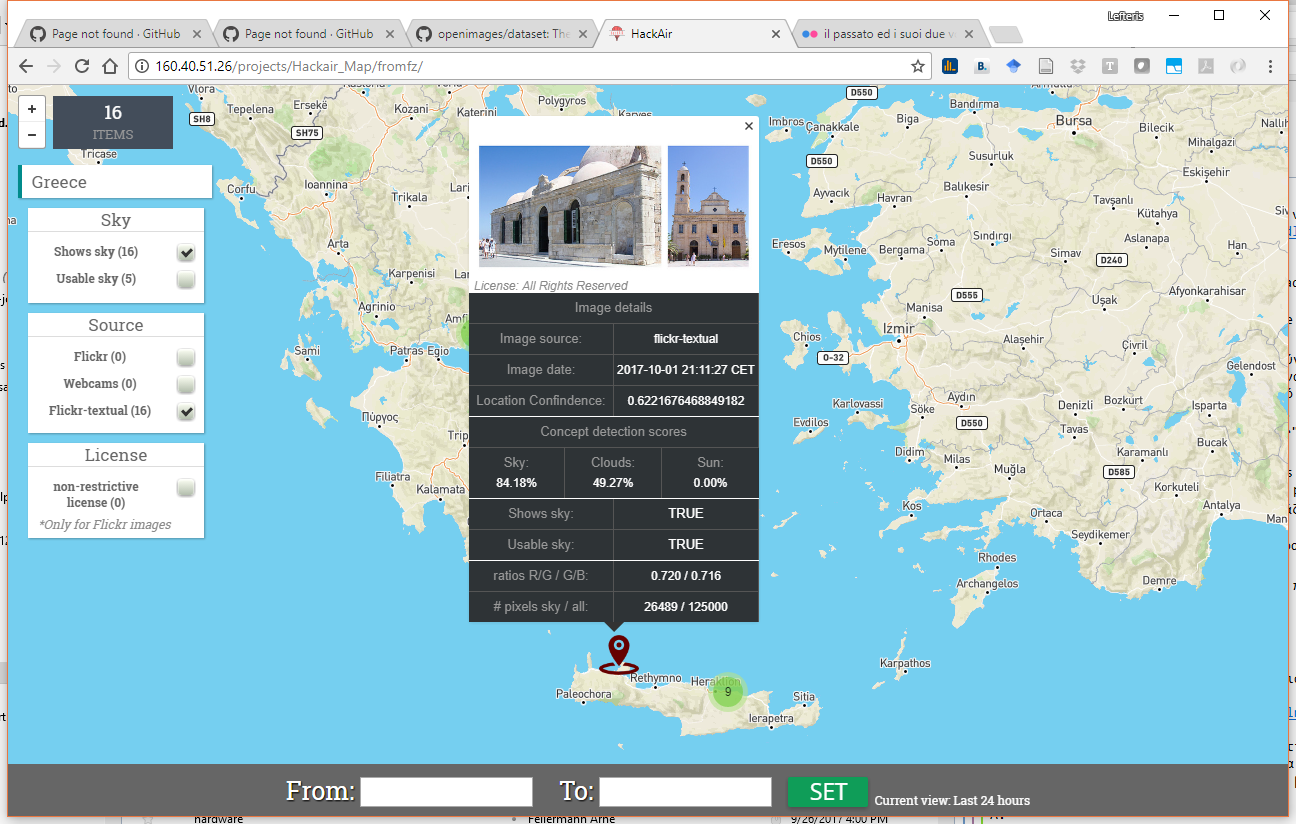
To supplement user-generated photos submitted through the hackAIR app, hackAIR collects sky images from Flickr and webcams. As there are many images on Flickr without a tag for location, the hackAIR team has developed a machine learning algorithm to estimate the location through using the image metadata (such as title, tags, description).

Image not geotagged but clearly from Chania/Crete/Greece! Tags: Chania, architecture, building, sky

In a second step, the algorithm detects the portion of blue sky in the photo. As the lower parts of photos often show buildings or landscape, this part is discarded by the hackAIR system. From the recognized sky, the upper third is used for further analysis.

Sample sky detection using three different algorithms

In the video below, CERTH’s Eleftherios Syromitros-Xioufis explains the science behind hackAIR’s image data collection and analysis.

Want to try out hackAIR’s air quality detection from sky images? Download the app and upload a picture of the sky near you to get an estimate.

Copyright 2021. All rights reserved

Take part in this short survey and help us improve your hackAIR experience.